
How Vision Therapy Helps the Brain and Eyes Work Together

Clear vision is not only about seeing 20/20. The eyes also need to work together as a team, and the brain must accurately process the information they send. When this connection is not working well, children and adults may struggle with reading, focus, eye tracking, depth perception, or visual comfort. Vision therapy is designed to strengthen the communication between the brain and eyes through customized, guided activities.
What Is Vision Therapy?
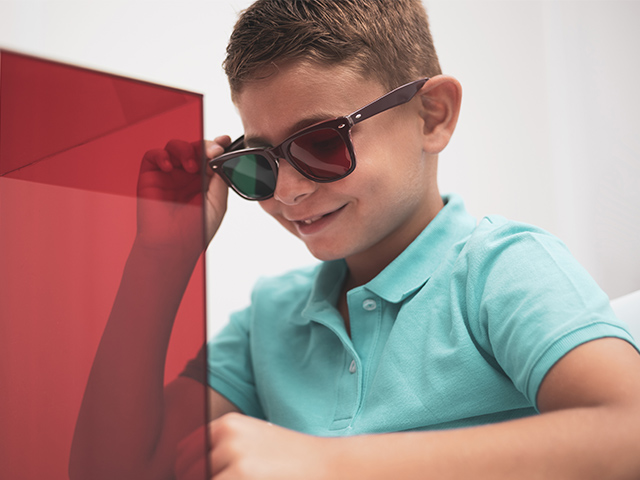
Vision therapy is a personalized program that helps improve visual skills beyond basic eyesight. These skills may include eye teaming, focusing, tracking, and visual processing. Instead of simply correcting blurry vision with glasses or contacts, vision therapy focuses on how the eyes move, coordinate, and send information to the brain.
At The Vision Learning Center in Spring, vision therapy may be recommended for concerns related to reading difficulties, strabismus, concussions, ADD and ADHD, or other vision-related learning challenges.
How the Brain and Eyes Work Together
The eyes collect visual information, but the brain interprets it. For reading, learning, sports, and daily tasks, the brain must quickly understand what both eyes are seeing. When the eyes do not align, focus, or track properly, the brain may receive confusing or incomplete information.
This can lead to symptoms such as losing your place while reading, skipping words, headaches, double vision, poor concentration, or avoiding close-up work. Vision therapy helps train the visual system so the eyes and brain can work together more efficiently.
Signs Vision Therapy May Be Helpful
A comprehensive vision evaluation can help determine whether vision therapy is appropriate. Common signs that may point to a visual skills issue include:
- Difficulty reading for long periods
- Frequent eye rubbing or blinking
- Headaches after school or computer work
- Trouble tracking words on a page
- Poor depth perception or coordination
- Double vision or words appearing to move
- Short attention span during reading or homework
These symptoms can sometimes be mistaken for learning or attention problems, which is why a detailed eye and visual skills evaluation is so important.
Why a Customized Vision Therapy Plan Makes a Difference
Every patient’s visual system is different. A personalized program allows Dr. Davis and her team to target the specific skills that need support, whether that involves eye tracking, focusing flexibility, binocular vision, or visual processing.
Therapy sessions may include in-office activities, specialized tools, and at-home reinforcement. Over time, these exercises help build stronger visual habits so the brain and eyes can communicate more smoothly during everyday tasks.
Supporting Reading, Learning, and Daily Comfort
When the brain and eyes work well together, reading and learning can feel less frustrating. Children may become more comfortable completing schoolwork, while adults may notice improved visual comfort during computer use, driving, or close-up tasks. Vision therapy can be an important part of helping patients address visual barriers that interfere with learning, focus, and daily performance.
Schedule a consultation at The Vision Learning Center to learn how vision therapy can help better eye teaming, focus, and visual comfort. Visit our office in Spring, Texas, or call (832) 592-7021 to book an appointment today.
Quick Links
Helpful Articles
article_category: products
article_category: psychiatry
article_category: faqs
article_category: cats
article_category: general
article_category: services
article_category: technology
article_category: dogs
article_category: restorative
article_category: vision therapy
article_category: contact lenses
article_category: health
article_category: conditions
article_category: eye surgery co-management
article_category: exotic
article_category: cosmetic
article_category: surgical procedures
article_category: aesthetics
article_category: preventative
article_category: ocular disease management
article_category: eyeglasses
article_category: eye health
article_category: large animal
[]
article_category: psychiatry
article_category: faqs
article_category: cats
article_category: general
article_category: services
article_category: technology
article_category: dogs
article_category: restorative
article_category: vision therapy
article_category: contact lenses
article_category: health
article_category: conditions
article_category: eye surgery co-management
article_category: exotic
article_category: cosmetic
article_category: surgical procedures
article_category: aesthetics
article_category: preventative
article_category: ocular disease management
article_category: eyeglasses
article_category: eye health
article_category: large animal
[]
Flowbite is an open-source library of interactive components built on top of Tailwind CSS including buttons, dropdowns, modals, navbars, and more.
Check out this guide to learn how to get started and start developing websites even faster with components on top of Tailwind CSS.
All Eye Care Services
Find personalized eye care excellence with our comprehensive services. From eye exams to advanced diagnostics, trust us for all your vision needs.

Keep In Touch
For non-urgent questions or to learn more about our services, contact us today!
© 2026 The Vision Learning Center. All rights Reserved - Accessibility Statement - Privacy Policy - Sitemap
Managed and Designed by 