
How Vision Therapy Supports Concussion Recovery

A concussion can affect more than memory, balance, and headaches. It also disrupts how the eyes work together and how the brain processes visual information. For many patients, these changes make reading, screen use, driving, and even walking through busy spaces more challenging. That is where vision therapy can play an important role in concussion recovery.
Why Vision Problems Are Common After a Concussion
After a concussion, the communication between the eyes and brain can be affected; even if a standard eye chart seems normal, patients can still struggle with functional vision skills. These issues may include blurred vision, double vision, poor tracking, trouble focusing, light sensitivity, and dizziness during near work. Because vision is involved in so many daily tasks, these symptoms can slow recovery and make work, school, or normal routines, feel overwhelming.
Symptoms That May Point to a Visual Issue After a Concussion
Many post-concussion symptoms overlap with vision-related problems. A functional vision evaluation may be helpful if you notice:
- Double vision or blurred vision
- Headaches during reading or screen use
- Difficulty concentrating on near tasks
- Eye strain or fatigue
- Dizziness or motion sensitivity
- Losing your place while reading
These symptoms are not always obvious at first, which is why specialized evaluation matters. Visual symptoms can stay dormant until 3 months post-concussion, so making sure a functional visual evaluation is included in your care is crucial.
How Vision Therapy Helps Support Recovery
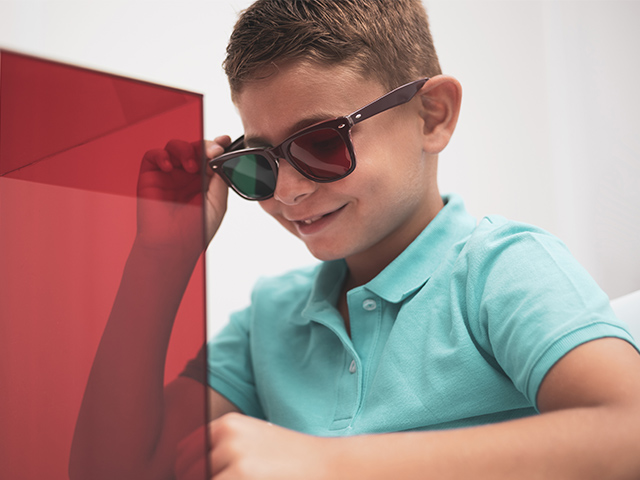
Vision therapy is a customized program designed to improve the way the eyes and brain work together. In concussion recovery, it focuses on rebuilding visual skills that may have been disrupted by the injury. Rather than masking symptoms alone, vision therapy works on the underlying visual dysfunction that may be contributing to discomfort and poor performance.
Exercises are tailored to the patient’s symptoms and progress. Over time, therapy may help improve eye teaming, focusing, tracking, spatial awareness, and visual processing.
A Personalized Approach Makes a Difference
Concussion recovery is rarely one-size-fits-all. Some patients need support for eye tracking, while others need help with focusing flexibility or binocular coordination. In some cases, prism lenses may also be recommended to help reduce double vision, improve visual comfort, and support alignment challenges after a concussion. A personalized vision therapy plan allows care to target the specific visual skills that were affected.
If post-concussion symptoms are affecting daily life, contact The Vision Learning Center to explore whether vision therapy can help. Visit our office in Spring, Texas, or call (832) 592-7021 to book an appointment today
Quick Links
Helpful Articles
article_category: products
article_category: psychiatry
article_category: faqs
article_category: cats
article_category: general
article_category: services
article_category: technology
article_category: dogs
article_category: restorative
article_category: vision therapy
article_category: contact lenses
article_category: health
article_category: conditions
article_category: eye surgery co-management
article_category: exotic
article_category: cosmetic
article_category: surgical procedures
article_category: aesthetics
article_category: preventative
article_category: ocular disease management
article_category: eyeglasses
article_category: eye health
article_category: large animal
[]
article_category: psychiatry
article_category: faqs
article_category: cats
article_category: general
article_category: services
article_category: technology
article_category: dogs
article_category: restorative
article_category: vision therapy
article_category: contact lenses
article_category: health
article_category: conditions
article_category: eye surgery co-management
article_category: exotic
article_category: cosmetic
article_category: surgical procedures
article_category: aesthetics
article_category: preventative
article_category: ocular disease management
article_category: eyeglasses
article_category: eye health
article_category: large animal
[]
Flowbite is an open-source library of interactive components built on top of Tailwind CSS including buttons, dropdowns, modals, navbars, and more.
Check out this guide to learn how to get started and start developing websites even faster with components on top of Tailwind CSS.
All Eye Care Services
Find personalized eye care excellence with our comprehensive services. From eye exams to advanced diagnostics, trust us for all your vision needs.

Keep In Touch
For non-urgent questions or to learn more about our services, contact us today!
© 2026 The Vision Learning Center. All rights Reserved - Accessibility Statement - Privacy Policy - Sitemap
Managed and Designed by 