
Vision Therapy for Strabismus in Children: No Surgery, Real Results
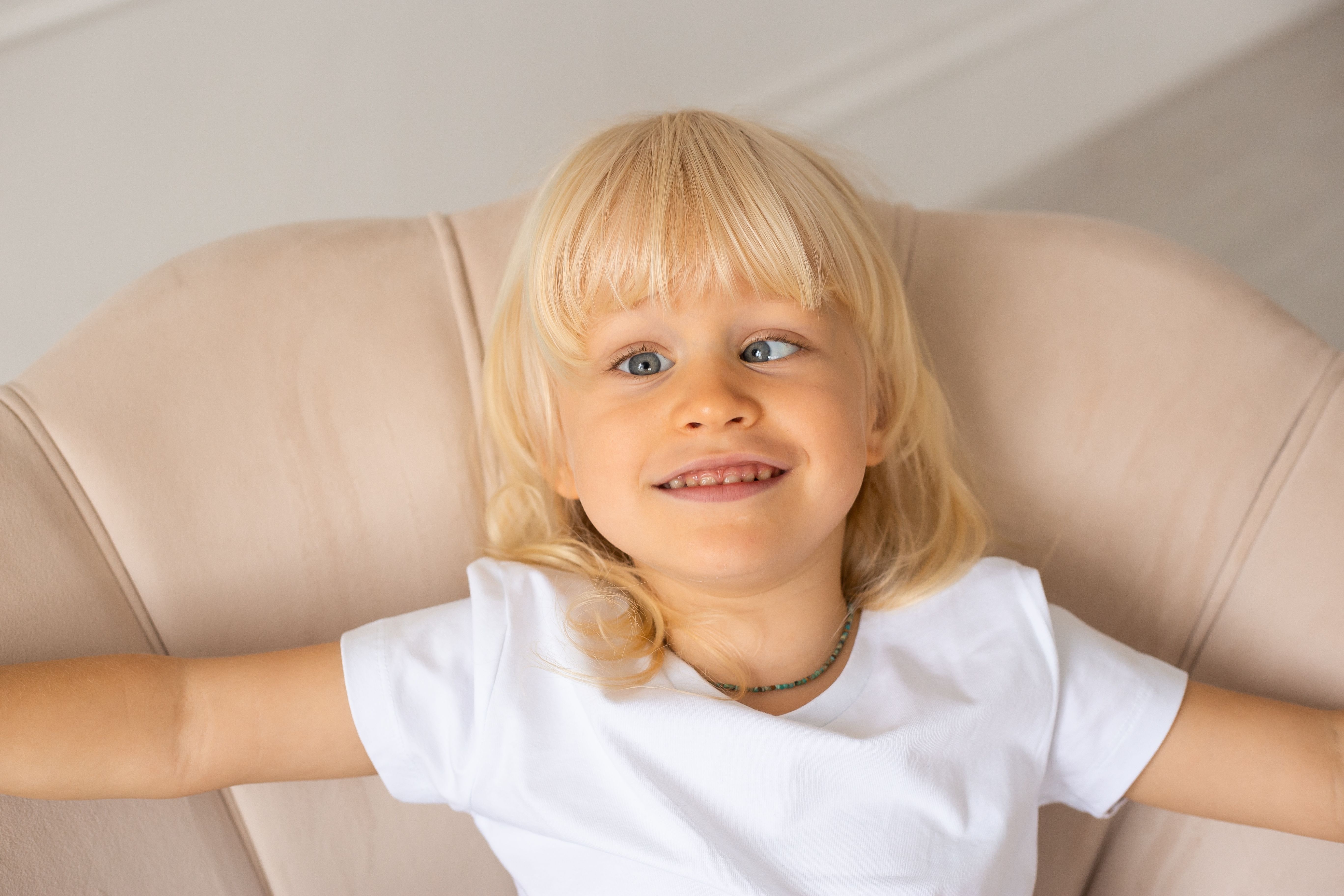
Strabismus (often called “crossed eyes” or “eye turning”) is a common childhood vision condition that affects how a child’s eyes work together. While it may appear to be only a cosmetic issue, strabismus can interfere with visual development, learning, and confidence if left untreated. Vision therapy offers a non-surgical, effective approach that can produce real, lasting results.
Understanding Strabismus
Strabismus occurs when a child’s eyes do not align properly. One eye may turn inward, outward, upward, or downward while the other eye looks straight ahead. This misalignment may be constant or come and go, especially when a child is tired or focusing up close.
Strabismus often develops in early childhood, when the visual system is still forming. Because vision is learned, proper eye alignment during these early years is critical for healthy visual development.
How Strabismus Affects a Child’s Vision and Development
When a child’s eyes are misaligned, the brain receives two different images that do not match. To avoid confusion or double vision, the brain may begin to ignore input from one eye. This can lead to several challenges, including:
• Poor depth perception
• Difficulty with reading and learning
• Eye strain or headaches
• Reduced attention or visual fatigue
• Suppression of vision in one eye
• Increased risk of amblyopia (lazy eye)
Because children may not realize their vision is abnormal, strabismus can go unnoticed without a comprehensive binocular vision evaluation.
What Is Vision Therapy?
Vision therapy is a customized, doctor-directed treatment program designed to improve how a child’s eyes work together and how the brain controls eye alignment. It goes beyond simple eye exercises and focuses on building the visual skills needed for coordinated, comfortable vision.
A vision therapy program for children may include:
• Weekly in-office therapy sessions
• Hands-on activities using specialized equipment
• Structured home activities to reinforce progress
Each program is tailored to the child’s specific type of strabismus, age, and visual needs.
How Vision Therapy Helps Children With Strabismus
Vision therapy helps retrain the brain to properly align and coordinate the eyes. Instead of forcing the eyes into position, therapy teaches the visual system how to work correctly and consistently.
For many children, vision therapy can:
• Improve eye alignment and control
• Help both eyes work together as a team
• Reduce or eliminate double vision
• Improve depth perception
• Support reading, learning, and classroom performance
By addressing the underlying cause of strabismus, vision therapy supports long-term visual development during a child’s most critical learning years.
Find Out If Vision Therapy Is Right for Your Child
Strabismus in children is more than an eye turn - it is a developmental vision condition that can affect learning and everyday life. Vision therapy offers a non-surgical, evidence-based solution that helps the eyes and brain work together properly. With early diagnosis and a personalized treatment plan, children can achieve lasting visual success.
If your child has an eye turn or has been diagnosed with strabismus, schedule a consultation at The Vision Learning Center to learn more about vision therapy. Visit our office in Spring, Texas, or call (832) 592-7021 to book an appointment today.
Quick Links
Helpful Articles
article_category: products
article_category: psychiatry
article_category: faqs
article_category: cats
article_category: general
article_category: services
article_category: technology
article_category: dogs
article_category: restorative
article_category: vision therapy
article_category: contact lenses
article_category: health
article_category: conditions
article_category: eye surgery co-management
article_category: exotic
article_category: cosmetic
article_category: surgical procedures
article_category: aesthetics
article_category: preventative
article_category: ocular disease management
article_category: eyeglasses
article_category: eye health
article_category: large animal
[]
article_category: psychiatry
article_category: faqs
article_category: cats
article_category: general
article_category: services
article_category: technology
article_category: dogs
article_category: restorative
article_category: vision therapy
article_category: contact lenses
article_category: health
article_category: conditions
article_category: eye surgery co-management
article_category: exotic
article_category: cosmetic
article_category: surgical procedures
article_category: aesthetics
article_category: preventative
article_category: ocular disease management
article_category: eyeglasses
article_category: eye health
article_category: large animal
[]
Flowbite is an open-source library of interactive components built on top of Tailwind CSS including buttons, dropdowns, modals, navbars, and more.
Check out this guide to learn how to get started and start developing websites even faster with components on top of Tailwind CSS.
All Eye Care Services
Find personalized eye care excellence with our comprehensive services. From eye exams to advanced diagnostics, trust us for all your vision needs.

Keep In Touch
For non-urgent questions or to learn more about our services, contact us today!
© 2026 The Vision Learning Center. All rights Reserved - Accessibility Statement - Privacy Policy - Sitemap
Managed and Designed by 